Source Natural He Shou Wu Extract for Food, Medicine, and Health Care
Find 30 verified natural he shou wu extract suppliers offering powder forms with HPLC testing. Compare specifications like 10:1 ratios and 99% purity for food, medicine, and health care applications. Request samples and quotes from manufacturers in China; compare the available evidence and request quotations based on your requirements.
Key considerations
Products List






Comprehensive Sourcing Guide
Natural He Shou Wu Extract Sourcing Guide
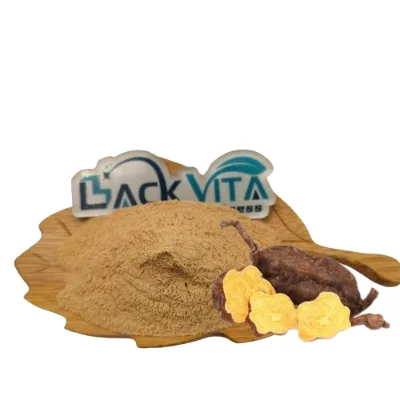
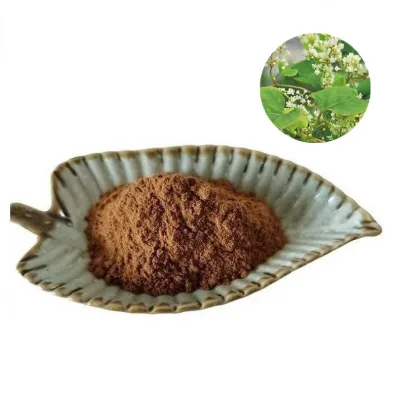
Procuring natural He Shou Wu extract requires careful navigation of a market where Polygonum Multiflorum is the primary botanical source. Buyers must distinguish between various extraction ratios, such as 10:1, 30:1, and 50:1, which directly influence the potency and intended application of the final ingredient. The product typically appears as a brown powder, though some listings indicate availability in forms suitable for capsules, tablets, or pastes. Understanding these physical variations is the first step in aligning supplier capabilities with your specific manufacturing needs.
The commercial landscape for this extract often features flexible minimum order quantities, ranging from small samples of 1 gram to bulk orders of 2000 kilograms. This variability allows small startups to test quality with minimal risk while enabling large manufacturers to secure consistent supply chains. However, the wide range in pricing and packaging options necessitates a rigorous comparison of unit costs rather than total order values. Buyers should prioritize suppliers who clearly define their packaging formats, such as 1kg bags or 25kg drums, to ensure compatibility with their existing storage and handling infrastructure.
Product Scope and Observed Listing Signals
The core product scope centers on Polygonum Multiflorum extract, which is widely utilized across the food, health care, and medicine sectors. Listings frequently highlight applications in capsules, tablets, and pastes, indicating a versatile ingredient suitable for diverse formulation strategies. The extract is generally described as soluble in water, a critical physical property for manufacturers developing liquid or semi-solid dosage forms. This solubility profile, combined with the standard powder state, suggests broad compatibility with various production lines without requiring complex solubilization steps.
Observations of listing signals reveal significant variation in product models and standard specifications, with some entries citing purity levels of 98%, 99%, or 40%. These discrepancies highlight the necessity for buyers to verify the exact concentration and extraction ratio before placing an order. While some suppliers offer free samples to facilitate testing, the availability of such samples does not guarantee uniform quality across all batches. Procurement teams must treat these listing signals as initial data points that require validation through independent laboratory testing to confirm the actual content and consistency of the material.
Technical Specifications to Verify
Verification of technical specifications is paramount, particularly regarding the assay methods employed to determine extract quality. Reliable suppliers typically utilize High-Performance Liquid Chromatography (HPLC) or Ultraviolet (UV) spectroscopy to quantify active compounds. Buyers should explicitly request test reports generated using these specific methods to ensure the data is comparable and scientifically robust. The absence of a standardized test method in a supplier's documentation is a significant red flag that warrants immediate clarification or rejection of the offer.
Beyond analytical methods, the physical specifications such as particle size, moisture content, and solubility must be rigorously checked against your production requirements. While some listings mention a standard of 10:1 or 50:1, others may simply state a percentage purity like 99% without defining the basis of that measurement. It is essential to confirm whether the standard refers to the extract ratio or the specific active ingredient content. Misalignment in these definitions can lead to formulation failures, making it imperative to secure a detailed specification sheet that clearly defines all technical parameters before finalizing a purchase agreement.
Compliance and Safety Documentation
Compliance documentation serves as the foundation for market access and consumer safety in the global supply chain. Trusted suppliers in this category often provide certifications such as FDA, ISO, HACCP, BRC, and RoHS, which indicate adherence to rigorous quality management and safety standards. Buyers must verify the validity and scope of these certificates, ensuring they cover the specific facility and product line being sourced. Relying on a supplier's claim of certification without requesting current, verifiable documentation exposes the buyer to significant regulatory and reputational risks.
In addition to general certifications, specific safety data regarding heavy metals, pesticides, and microbial contamination is critical for ingredients intended for food and medicine. The listed applications in health care products and cosmetics demand a higher level of scrutiny regarding potential contaminants. Buyers should insist on a Certificate of Analysis (CoA) that details the results of these specific safety tests for the batch in question. Without this granular data, it is impossible to confirm that the extract meets the stringent safety thresholds required for its intended use in sensitive consumer products.
Cost Drivers and Commercial Terms
Cost drivers for natural He Shou Wu extract are heavily influenced by the extraction ratio, purity level, and the complexity of the supply chain. Higher extraction ratios, such as 50:1, typically command a premium price due to the increased volume of raw material required to produce a unit of finished extract. Additionally, the grade of the material, whether food grade or pharmaceutical grade, significantly impacts the final cost. Buyers must analyze the total cost of ownership, including the price per kilogram and the efficiency of the extraction process, rather than focusing solely on the unit price.
Commercial terms, including Minimum Order Quantity (MOQ) and shipping logistics, play a crucial role in the overall financial viability of the procurement. While some suppliers offer low MOQs of 20 grams or 1 kilogram, others may require orders up to 2000 kilograms, which affects cash flow and inventory management. Shipping methods vary from express couriers like FedEx and DHL to sea freight, with lead times ranging from 5 to 7 days for express options. Negotiating favorable terms that balance cost, volume, and delivery speed is essential for maintaining a competitive edge in the market.
Supplier Qualification and Quality Control
Supplier qualification extends beyond the initial review of certifications to include an assessment of their production capacity and quality control systems. A supplier with a monthly capacity of 5000 kilograms may offer better stability for large-scale orders, but this must be balanced against their ability to maintain consistent quality across batches. Buyers should evaluate the supplier's history of compliance, their response to quality issues, and their willingness to undergo third-party audits. A robust quality control system is the only guarantee that the product specifications will remain consistent over time.
Quality control protocols should be clearly defined in the purchase agreement, including procedures for sampling, testing, and rejection of non-conforming goods. The availability of free samples is a positive indicator, but it should not replace the need for a comprehensive quality assurance plan. Buyers must establish clear acceptance criteria for parameters such as appearance, solubility, and assay results. Implementing a rigorous inspection process upon receipt of goods ensures that any deviations from the agreed specifications are identified and addressed before the material enters the production line.
Long-Term Procurement Checks
Long-term procurement success relies on establishing a continuous monitoring framework to ensure ongoing supplier performance and product consistency. Regular audits and re-testing of incoming batches are necessary to detect any drift in quality or changes in the supply chain that could affect the final product. Buyers should maintain open communication channels with suppliers to stay informed about any changes in raw material sourcing or production processes. Proactive management of these relationships helps mitigate risks and ensures a stable supply of high-quality He Shou Wu extract.
Furthermore, the evolving regulatory landscape requires buyers to stay vigilant regarding changes in certification requirements and safety standards. Suppliers must be held accountable for maintaining their compliance status and providing updated documentation as regulations shift. Periodic reviews of the supplier's performance against key metrics, such as on-time delivery and defect rates, are essential for maintaining a high standard of procurement. By embedding these checks into the long-term strategy, buyers can secure a reliable supply chain that supports their business growth and brand integrity.
FAQs
What is the standard extraction ratio for He Shou Wu powder?
The standard extraction ratios available are 10:1, 30:1, and 50:1. These ratios indicate the concentration of the Polygonum Multiflorum source material. Buyers can select the specific ratio that matches their formulation requirements for capsules, tablets, or food products.
Which certifications are provided for the extract powder?
The product holds HACCP, FDA, ISO, BRC, and RoHS certifications. These credentials ensure compliance with international safety and quality standards. The powder is suitable for use in food, medicine, and health care products, providing verified assurance for global sourcing needs.
Can the product be customized for specific applications?
Yes, customization is available for various application forms. The extract can be processed into capsules, tablets, paste, lotion, or suppository. This flexibility allows manufacturers to tailor the product to their specific health care or cosmetic formulation requirements effectively.
What is the minimum order quantity for samples?
The minimum order quantity for samples is as low as 1g or 20g, depending on the supplier. Some providers offer free samples to allow buyers to test quality before committing to larger bulk orders. This low MOQ facilitates easy product evaluation.
How should the He Shou Wu extract be stored?
The powder must be stored in a cool, dry place to maintain stability. Proper storage prevents degradation of the active ingredients. The product is typically packed in 1kg bags or 25kg drums, ensuring protection during transit and long-term storage at the destination.
What shipping methods are available for international delivery?
Shipping is available via FedEx, DHL, EMS, TNT, 4px, Royal Postal, and Aramex. Express delivery typically takes 5-7 days. These options provide flexible logistics solutions for buyers, ensuring timely receipt of the powder for production schedules and inventory management.